Tire Maintenance Guide: When to Repair or Replace
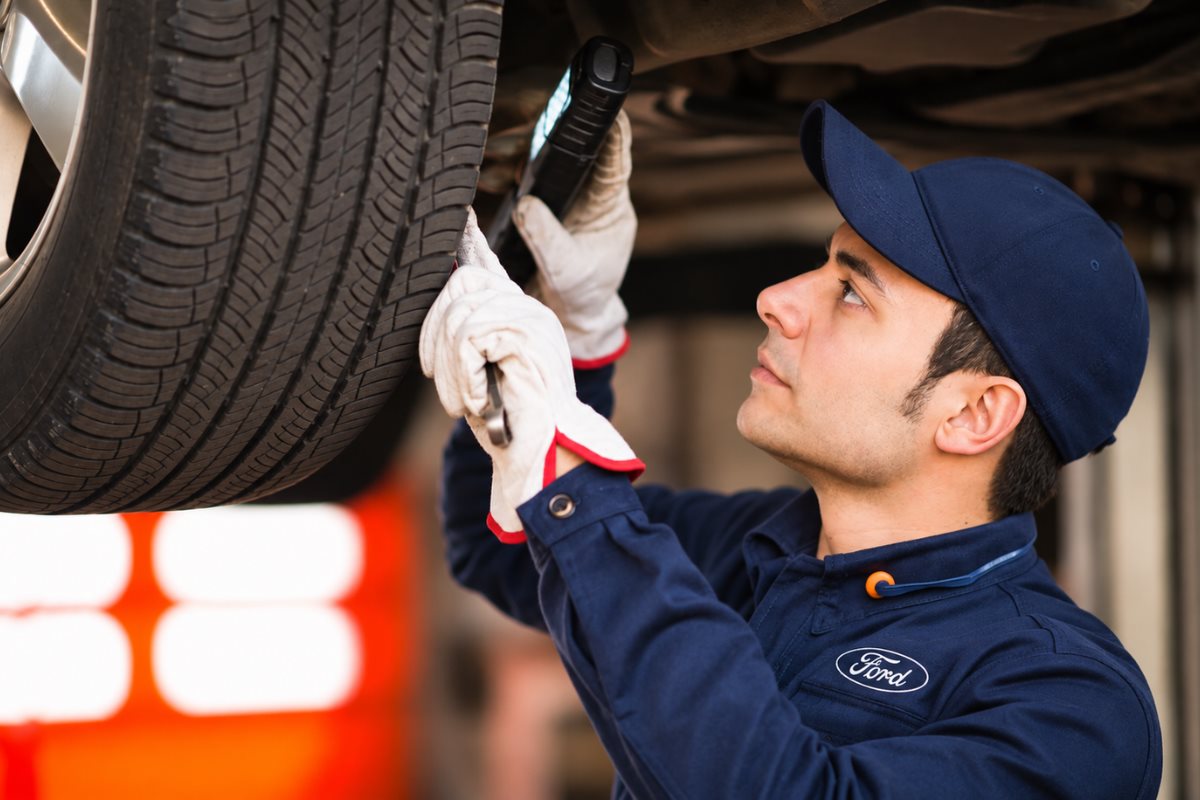
Your tires play an important role in your vehicle's safety, handling and overall performance. Whether you're commuting through Kenosha, traveling to Racine or driving across Southeast Wisconsin, regular tire maintenance can help extend tire life and reduce unexpected problems on the road.
From checking tire pressure and tread depth to recognizing when a tire needs repair or replacement, understanding basic tire maintenance can help you make informed decisions about your vehicle.
Why Regular Tire Maintenance Matters
Your tires are the only part of your vehicle that makes direct contact with the road. Proper tire maintenance helps support traction, braking, handling and fuel efficiency.
Over time, tires experience normal wear from everyday driving. Road conditions, temperature changes, improper inflation and wheel alignment issues can contribute to uneven tread wear and reduced tire performance.
Routine inspections can help identify potential problems before they lead to more expensive repairs or unexpected tire failure.
How to Check Your Tire Tread and Pressure
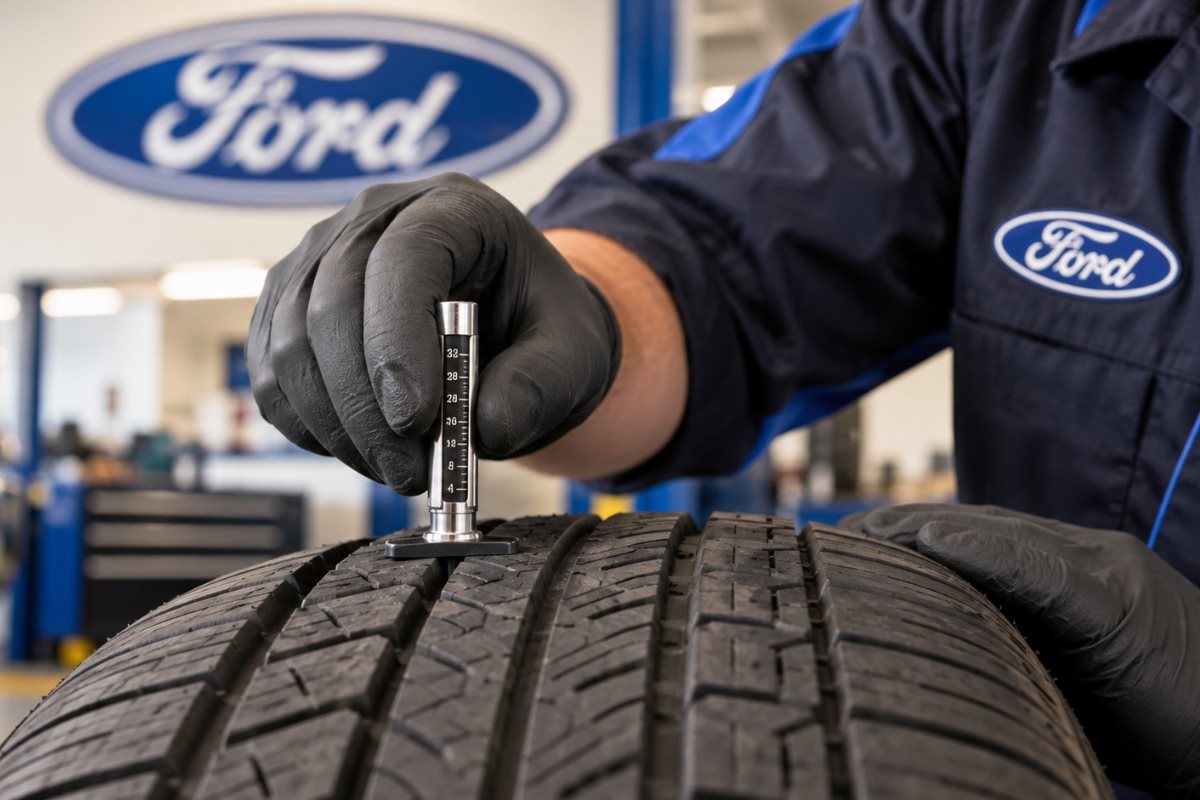
Two of the most important parts of tire maintenance are monitoring tread depth and maintaining proper tire pressure.
Tire tread helps channel water away from the contact surface, improving traction on wet roads. As tread wears down, your tires become less effective at maintaining grip, particularly in rain, snow and slippery conditions.
If you're unsure about your tires' condition, learn more about our tire inspections and services available at Boucher Ford of Kenosha.
What to Check During a Tire Inspection
- Check tire pressure at least once a month and before longer trips.
- Inspect tread depth and look for uneven wear.
- Check for cracks, cuts, bulges or embedded objects.
- Look for unusual wear along the inner and outer edges.
- Make sure your tires are inflated to the manufacturer's recommended pressure.
You can typically find your vehicle's recommended cold tire pressure on the driver's door jamb label or in your owner's manual.
If you're unsure about your tires' condition, visit our Tire Service page to learn more about tire inspections and available services at Boucher Ford of Kenosha.
Common Signs Your Tires Need Attention
Tire problems aren't always immediately noticeable. However, certain warning signs can indicate that your tires need professional inspection.
Signs of Potential Tire Problems
- Uneven or excessive tread wear
- Frequent tire pressure loss
- Vibrations while driving
- Visible cracks, cuts or sidewall bulges
- Nails, screws or other objects embedded in the tire
- Unusual road noise or changes in handling
If you notice any of these issues, having your tires inspected can help determine whether maintenance, repair or replacement is necessary. Avoid driving on a visibly damaged tire, especially one with a sidewall bulge.
Can a Damaged Tire Be Repaired?
Not every damaged tire needs to be replaced. In some cases, a puncture can be safely repaired depending on its location, size and the overall condition of the tire.
Small punctures located within the repairable tread area may qualify for professional repair. However, damage to the sidewall or shoulder generally cannot be safely repaired.
Factors That Determine Whether a Tire Can Be Repaired
- Location of the puncture
- Size and extent of the damage
- Remaining tread depth
- Overall tire condition
- Evidence of internal damage or previous improper repairs
A proper tire repair typically involves removing the tire from the wheel, inspecting it internally and using an approved repair method.
If you suspect a puncture, avoid removing an embedded object yourself. You can schedule a service appointment at Boucher Ford of Kenosha to have the tire professionally inspected.
When Does a Tire Need to Be Replaced?
Replacement may be necessary when a puncture is outside the repairable tread area, the damage is too large, the tire has internal damage or the tread is worn beyond safe limits.
Tires should also be replaced when they develop sidewall bulges, exposed cords or other structural damage.
For most passenger vehicles, 2/32 of an inch is the commonly used minimum tread-depth threshold. However, tire performance in wet or snowy conditions can decline before reaching that limit.
A professional inspection is the best way to determine whether your tires can be repaired or need replacement.
How Often Should You Rotate Your Tires?
Regular tire rotations help distribute tread wear more evenly, potentially extending the life of your tires.
For many vehicles, tire rotations are recommended approximately every 5,000 to 7,500 miles. However, the correct interval depends on your vehicle, tire type and manufacturer's recommendations.
Benefits of Regular Tire Rotations
- Promotes more even tread wear
- Helps maximize tire lifespan
- Supports consistent handling and traction
- Provides an opportunity to inspect tire condition
Some vehicles have different tire sizes between the front and rear axles or specific rotation restrictions. Always follow the recommendations in your Ford owner's manual.
Tire rotations can also be included as part of your routine vehicle maintenance. Learn more about our Ford Service Department and the maintenance services available.
Tire Maintenance Tips for Wisconsin Drivers
Wisconsin's changing seasons can affect tire pressure, traction and overall tire condition. From hot summer pavement to freezing winter temperatures, your tires experience a wide range of driving conditions throughout the year.
How to Protect Your Tires Throughout the Year
- Monitor tire pressure during significant temperature changes.
- Inspect tires after driving through potholes or rough road conditions.
- Check tread depth before periods of heavy rain or snow.
- Keep up with recommended tire rotations.
- Have your wheel alignment checked if you notice uneven wear or your vehicle pulling to one side.
- Consider winter tires for improved traction in freezing, snowy and icy conditions.
Even vehicles equipped with all-wheel drive or four-wheel drive benefit from properly maintained tires.
For additional seasonal maintenance recommendations, read our Ford Winter Maintenance Guide to learn how to prepare your vehicle for Wisconsin's colder months.
Schedule Tire Service at Boucher Ford of Kenosha
Regular tire maintenance can help extend tire life, improve vehicle performance and identify potential problems before they become more serious.
At Gordie Boucher Ford of Kenosha, our service team can assist with tire inspections, tire rotations, flat tire repair and tire replacement.
Whether you're dealing with a puncture, noticing uneven tread wear or simply due for routine maintenance, explore our tire service in Kenosha, WI to learn more about available services and your options.
Keep Your Tires in Good Condition
From routine tire maintenance to flat tire repairs and replacement, the service team at Boucher Ford of Kenosha is here to help. Schedule your next tire service appointment today.
Frequently Asked Questions About Tire Maintenance and Repair
How often should I check my tire pressure?
Check your tire pressure at least once a month and before longer trips. Temperature changes can affect tire pressure, so additional checks may be necessary during seasonal transitions. Always use the manufacturer's recommended cold tire pressure.
Can a tire with a nail in it be repaired?
A tire with a nail or screw may be repairable if the puncture is small, located within the repairable tread area and the tire has no additional damage. A professional inspection is necessary to determine whether repair is safe.
How do I know when my tires need to be replaced?
Common signs include worn tread, uneven wear, sidewall damage, bulges, exposed cords and frequent pressure loss. Tires that reach 2/32 of an inch of remaining tread depth generally need replacement, although replacement may be appropriate sooner depending on driving conditions.
How often should tires be rotated?
Many vehicles benefit from tire rotations approximately every 5,000 to 7,500 miles. However, recommended intervals vary by vehicle and tire configuration. Refer to your owner's manual for the correct maintenance schedule.
Can a tire sidewall puncture be repaired?
No. Punctures or structural damage to a tire's sidewall generally require tire replacement. The sidewall flexes during driving, making this area unsuitable for standard puncture repairs.
Why do my tires lose pressure when it gets cold?
As temperatures decrease, the air pressure inside your tires also decreases. Tire pressure commonly changes by approximately 1 PSI for every 10°F temperature change. Check your tires regularly during Wisconsin's colder months.
What causes uneven tire wear?
Uneven tire wear can result from improper inflation, wheel alignment problems, worn suspension components or missed tire rotations. A professional inspection can help identify the cause and prevent further wear.
Do I need winter tires if my vehicle has AWD or 4WD?
Winter tires can provide improved traction, braking and handling in cold, snowy and icy conditions. AWD and 4WD help distribute engine power to the wheels but do not replace the traction benefits of winter tires.
Is it safe to drive with a nail in my tire?
Driving with a nail in your tire can lead to air loss or additional damage. If you suspect a puncture, have the tire inspected promptly. If the tire is visibly flat, rapidly losing pressure or unsafe to drive on, avoid driving and arrange roadside assistance.
Where can I schedule tire maintenance or repair in Kenosha, WI?
Drivers in Kenosha, Racine and surrounding Southeast Wisconsin communities can schedule tire service at Gordie Boucher Ford of Kenosha. Our service team can assist with tire inspections, rotations, flat tire repairs and replacement.