How to Prepare Your Ford for Winter in Wisconsin
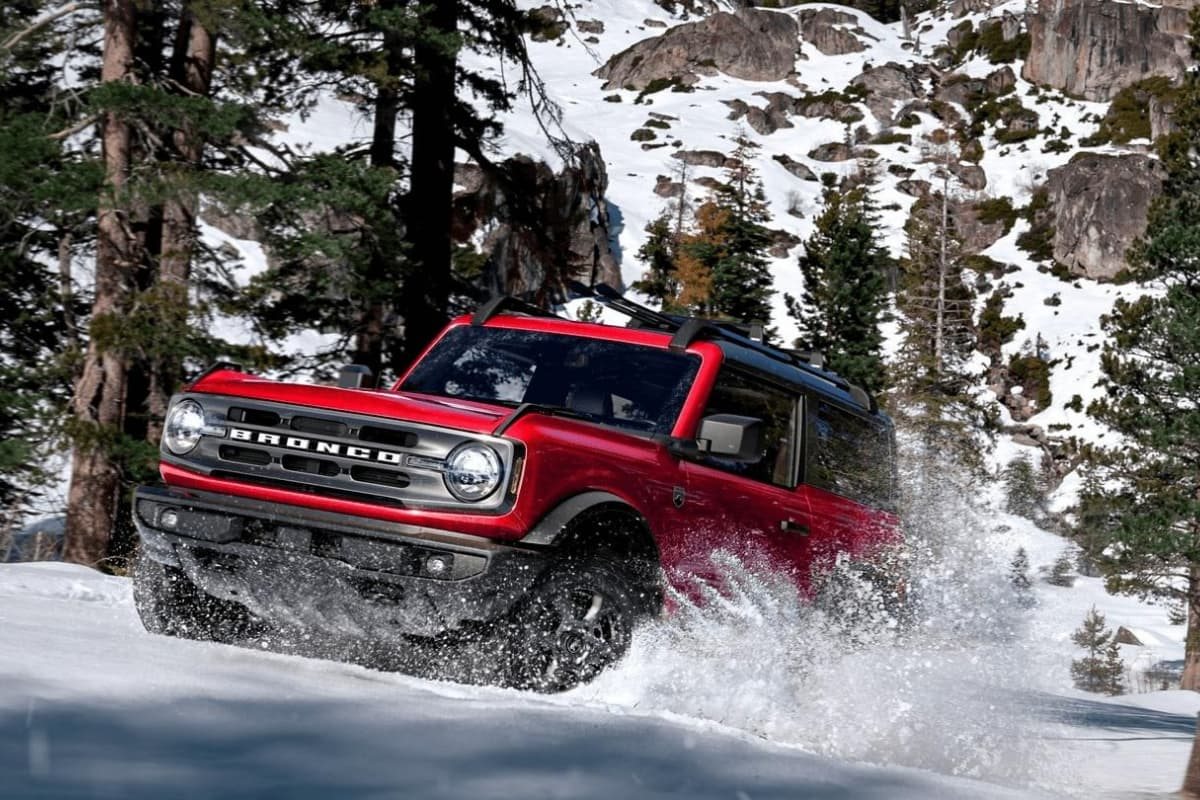
Wisconsin winters bring freezing temperatures, snow, icy roads and road salt that can take a toll on your vehicle. Whether you're commuting through Kenosha, traveling to Racine or driving across Southeast Wisconsin, preparing your Ford for winter can help reduce unexpected breakdowns and keep your vehicle performing reliably.
From checking your battery and tires to protecting your vehicle from road salt, these winter maintenance tips can help you stay prepared throughout the colder months.
Why Winter Vehicle Maintenance Matters in Wisconsin
Cold weather affects several important vehicle systems, including your battery, tires, brakes and fluids. Snow, ice and road salt can also create additional wear on your vehicle, especially during extended periods of winter driving.
Taking care of routine maintenance before temperatures drop can help identify potential problems early, improve reliability and protect your Ford throughout the season.
Check Your Ford's Battery Before Temperatures Drop
Freezing temperatures can reduce battery performance, making it harder for your vehicle to start. An aging or weakened battery may work fine during warmer months but struggle once winter arrives.
Before the cold sets in, consider having your battery tested and checking for corrosion around the terminals.
Signs Your Battery May Need Attention
- Slow engine cranking when starting your vehicle
- Dim headlights or electrical issues
- Frequent jump-starts
- A battery warning light on your dashboard
If your battery is several years old or showing signs of weakness, having it inspected before winter can help prevent an inconvenient breakdown.
Inspect Your Tires and Tire Pressure
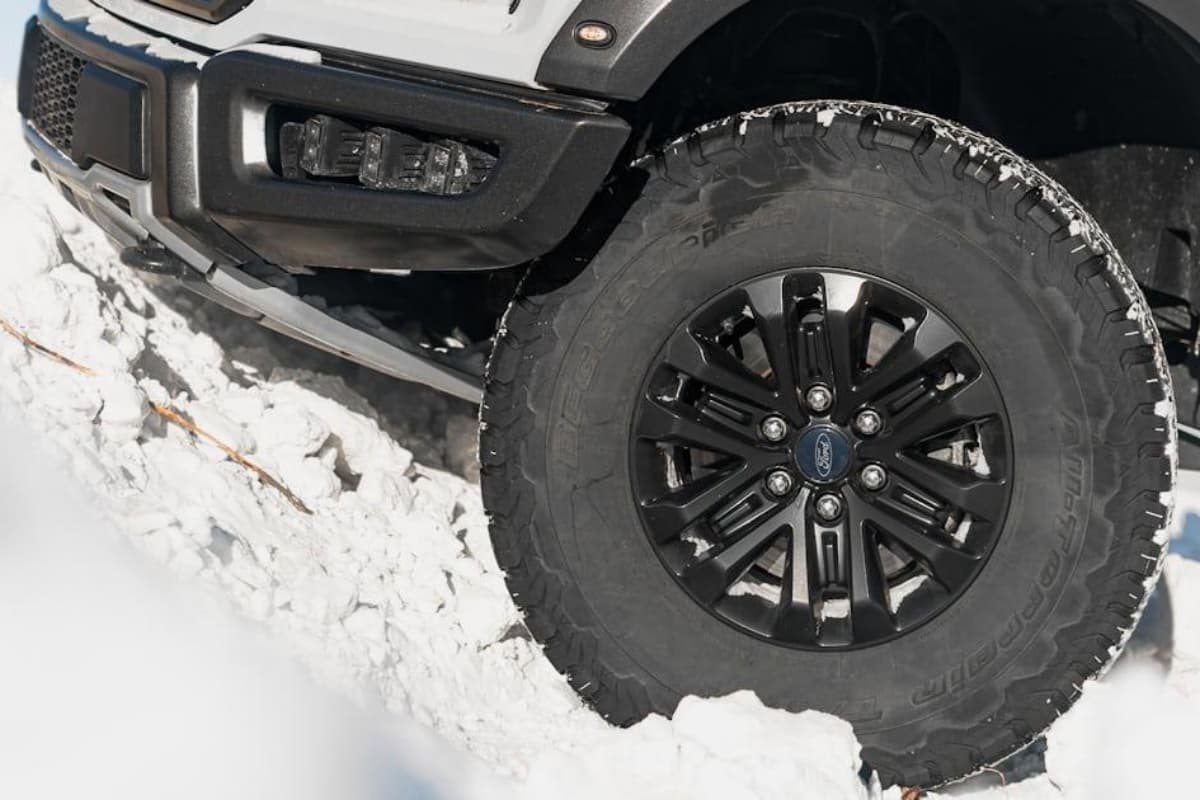
Your tires play an important role in maintaining traction on wet, snowy and icy roads. Worn tread and improper tire pressure can affect braking, handling and overall vehicle performance.
As temperatures drop, tire pressure typically decreases. Check your tire pressure regularly and inflate your tires to the manufacturer's recommended pressure, which can usually be found on the driver's door jamb label.
What to Check Before Winter
- Inspect tire tread depth and overall condition.
- Check for uneven wear, cracks or visible damage.
- Maintain proper tire pressure.
- Consider winter tires for improved traction in snow and freezing conditions.
Even vehicles equipped with all-wheel drive or four-wheel drive benefit from tires designed for winter conditions. AWD and 4WD can help with acceleration and traction, but they do not eliminate the need for proper tires or improve braking grip on slippery roads by themselves.
For a closer look at how these systems work, read our AWD vs. 4WD in Wisconsin guide to understand the differences and which drivetrain may better fit your driving needs.
Check Your Brakes, Fluids and Windshield Wipers
Winter driving often means reduced visibility, slippery road conditions and longer stopping distances. Keeping your vehicle's braking system, fluids and windshield wipers in good condition is essential.
Important Winter Maintenance Checks
- Brakes: Have your brake pads, rotors and braking system inspected for wear or unusual noises.
- Engine coolant: Make sure your cooling system has the proper coolant mixture and is in good condition to help prevent freezing and overheating.
- Windshield washer fluid: Use winter-rated washer fluid designed for freezing temperatures.
- Windshield wipers: Replace worn blades that streak, skip or struggle to clear your windshield.
- Engine oil: Follow your Ford's recommended oil specification and maintenance schedule.
Staying on top of these items can help your Ford handle changing winter road conditions. If you're due for routine maintenance, the service team at Boucher Ford of Kenosha can help inspect these important components before winter weather arrives.
Don't Skip Winter Car Washes: Protect Your Ford from Road Salt
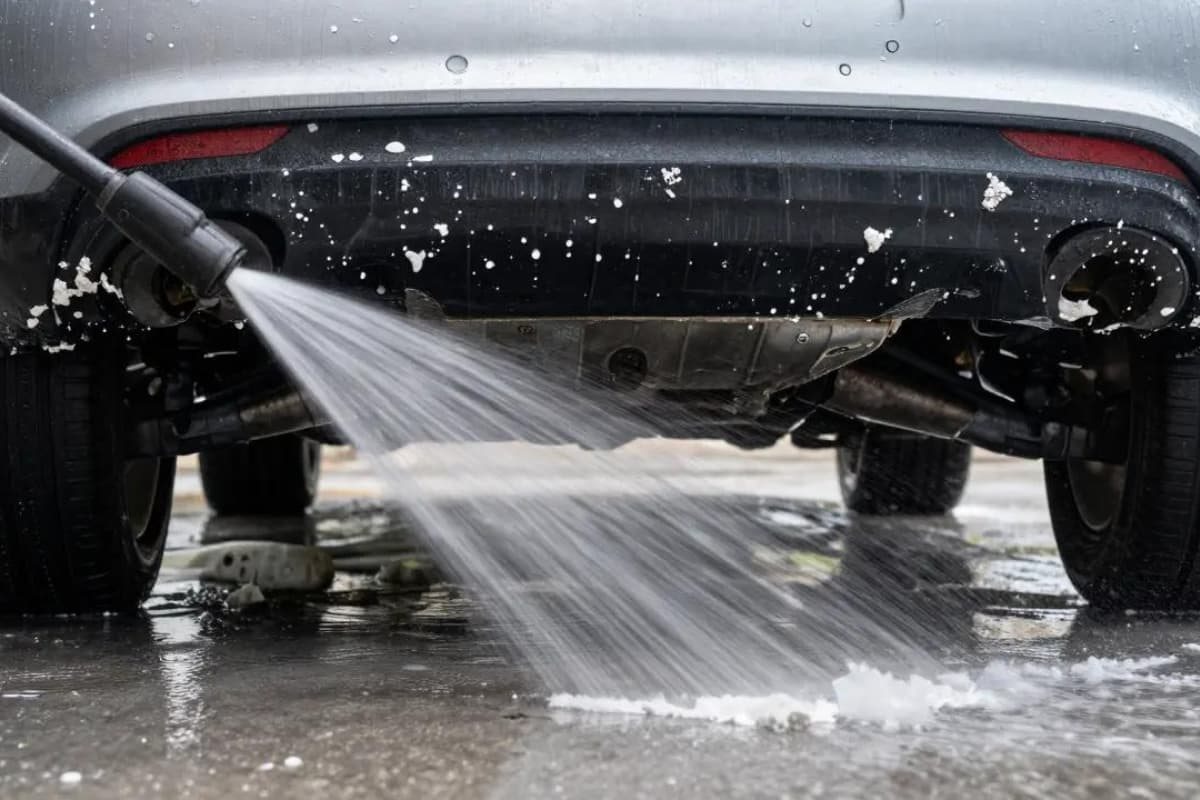
Washing your vehicle during winter might seem unnecessary, especially when snow, slush and dirt can make it dirty again within days. However, regular car washes are one of the simplest ways to help protect your Ford from corrosion during Wisconsin winters.
Road salt and deicing chemicals help keep roads safer, but they can also accumulate on your vehicle's paint, wheel wells, suspension components and undercarriage. Over time, salt buildup can accelerate rust and corrosion, particularly in areas that are difficult to see.
How to Protect Your Ford from Winter Road Salt
- Wash your vehicle regularly. Consider washing every one to two weeks during periods of heavy salt exposure, depending on driving conditions.
- Choose an undercarriage wash. Salt and slush can collect underneath your vehicle, where corrosion may go unnoticed.
- Pay attention to wheel wells and lower body panels. These areas are especially exposed to road spray.
- Wash when temperatures allow. Choose milder winter days when possible, and dry door seals and locks to help prevent freezing.
- Don't wait until spring. Removing salt throughout winter is better than allowing it to accumulate for months.
Keeping your Ford clean during winter isn't just about appearance. It's an important part of protecting your vehicle's condition and long-term value.
Make Sure Your Heating and Defrosting Systems Work
Your vehicle's heating and defrosting systems are important for both comfort and visibility during winter driving.
Before freezing temperatures arrive, test your cabin heater, front defroster and rear window defogger. Make sure your windshield clears properly and that airflow is reaching the appropriate vents.
A dirty cabin air filter can also restrict airflow, so consider having it inspected if you notice weak ventilation.
If your heater or defroster isn't performing as expected, have the system checked before winter conditions worsen.
Keep a Winter Emergency Kit in Your Ford
Even with proper maintenance, winter weather can create unexpected driving situations. Keeping a few essential supplies in your vehicle can help you stay prepared if you're delayed, stranded or dealing with severe weather.
What to Include in Your Winter Emergency Kit
- Ice scraper and snow brush
- Warm blankets, gloves and extra clothing
- Flashlight with spare batteries
- Jumper cables or a portable jump starter
- Phone charger or portable power bank
- Small shovel and traction material
- Bottled water and nonperishable snacks
- Basic first-aid kit
Before longer winter trips, check weather forecasts, keep your fuel tank adequately filled or your EV sufficiently charged, and let someone know your travel plans.
Schedule Winter Vehicle Maintenance at Boucher Ford of Kenosha
Preparing your vehicle before Wisconsin's harshest winter weather arrives can help you avoid unexpected maintenance issues and drive with greater confidence.
At Gordie Boucher Ford of Kenosha, our service team can help with routine maintenance, battery testing, tire inspections, brake service and other important winter vehicle checks.
Whether you're preparing for your daily commute or planning winter travel, staying ahead of maintenance can make a difference.
Get Your Ford Ready for Wisconsin Winter
Don't wait until freezing temperatures arrive. Schedule service at Boucher Ford of Kenosha and let our team help you prepare for the winter driving season.
Frequently Asked Questions About Ford Winter Maintenance
How often should I wash my car during a Wisconsin winter?
Consider washing your vehicle every one to two weeks during periods of heavy road salt exposure. An undercarriage wash is especially helpful for removing salt and slush from areas that are difficult to clean. Wash more frequently when needed and choose milder days when possible.
Can road salt damage my Ford's undercarriage?
Yes. Road salt and deicing chemicals can accelerate corrosion on exposed metal components, including parts of your vehicle's undercarriage and suspension. Regular washing, especially undercarriage cleaning, can help reduce salt buildup and protect your vehicle over time.
Do I need winter tires if my Ford has AWD or 4WD?
Winter tires can provide improved traction, braking and handling in cold, snowy and icy conditions. AWD and 4WD help distribute power to the wheels, but they do not replace the traction benefits of winter tires, especially when braking or turning.
How often should I check my tire pressure during winter?
Check your tire pressure at least once a month and whenever temperatures change significantly. Cold weather can cause tire pressure to drop. Use the recommended cold tire pressure listed on your vehicle's door jamb label rather than the maximum pressure printed on the tire.
What should I have inspected before winter driving?
Important winter maintenance checks include your battery, tires, brakes, coolant, windshield wipers, washer fluid, heating system and defrosters. A service inspection can help identify potential issues before freezing temperatures and winter road conditions become more severe.
Why does my car battery struggle in cold weather?
Cold temperatures slow the chemical reactions inside a vehicle battery, reducing the power available for starting the engine. At the same time, cold engines can require more power to start. Battery testing before winter can help identify a weakened battery.
Should I warm up my Ford before driving in winter?
Most modern gasoline-powered Ford vehicles do not require extended idling before driving. After starting your vehicle and ensuring the windows are clear, you can generally drive gently while the engine reaches its normal operating temperature. Follow the recommendations in your owner's manual.
Does road salt damage car paint?
Road salt can contribute to corrosion, particularly when it accumulates around paint chips, scratches and exposed metal. Regular washing helps remove salt deposits and reduces prolonged exposure.
Is winter maintenance different for Ford trucks and SUVs?
Many winter maintenance needs are similar across Ford trucks and SUVs, including checking tires, batteries, brakes, fluids and heating systems. However, recommended service intervals and specific maintenance requirements can vary by model, powertrain and vehicle configuration.
Where can I schedule Ford winter maintenance in Kenosha, WI?
Drivers in Kenosha and surrounding Southeast Wisconsin communities can schedule winter maintenance at Gordie Boucher Ford of Kenosha. Our service team can assist with routine maintenance, battery testing, tire inspections, brake service and other cold-weather vehicle needs.