AWD vs. 4WD
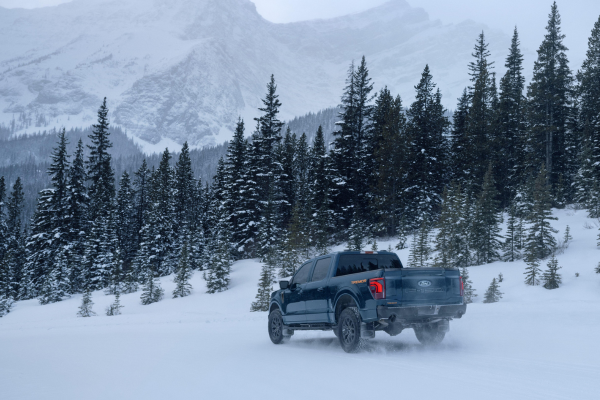
AWD vs. 4WD: What Wisconsin Drivers Should Know
When shopping for a vehicle in Wisconsin, you'll often see all-wheel drive (AWD) and four-wheel drive (4WD) listed as available drivetrain options. Both can provide additional traction compared with two-wheel-drive systems, but AWD and 4WD aren't exactly the same.
The right choice depends on how and where you drive. Daily commuting around Kenosha and Racine, winter highway travel, towing, unpaved roads and off-road driving can all influence which drivetrain makes the most sense.
If you're shopping for a new Ford vehicle, understanding the difference between AWD and 4WD can help you choose a vehicle that better fits your everyday driving needs.
What Is All-Wheel Drive (AWD)?
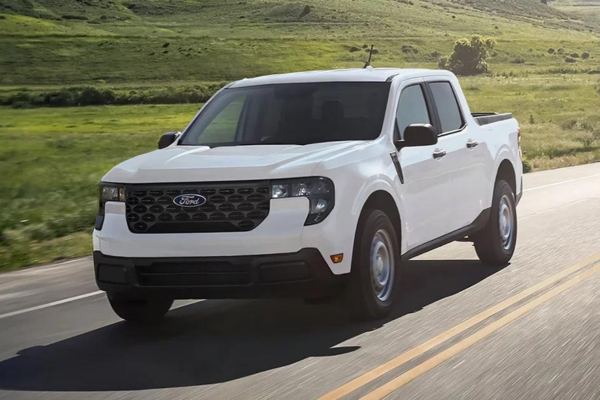
All-wheel drive is designed to help provide traction by delivering power to both the front and rear wheels when driving conditions require it.
Many modern AWD systems automatically monitor factors such as wheel speed and traction and adjust how power is distributed between the wheels. Because the system operates automatically, the driver generally doesn't have to manually engage AWD when road conditions change.
That makes AWD particularly convenient for everyday driving. Rain, wet pavement, changing road surfaces and slippery winter conditions are situations where an AWD system may help provide additional traction.
For drivers who spend most of their time commuting, running errands or traveling on paved roads throughout Southeast Wisconsin, an AWD-equipped Ford vehicle can provide added capability without requiring much additional input from the driver.
What Is Four-Wheel Drive (4WD)?
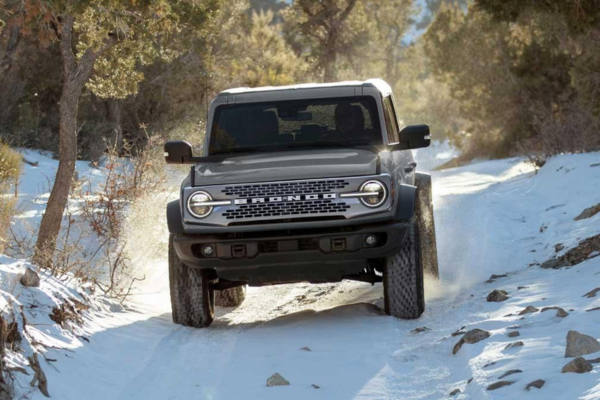
Four-wheel drive also sends power to all four wheels, but 4WD systems are typically designed with greater capability in mind.
Depending on the vehicle and system, drivers may have different 4WD settings or drive modes available for changing road and terrain conditions. Some systems are designed to provide additional capability for situations such as deep snow, mud, sand, trails, uneven terrain or other demanding surfaces.
This makes 4WD a popular choice for trucks and off-road-focused SUVs.
Vehicles such as the Ford Bronco use 4WD to support their off-road capability, while Ford trucks can use four-wheel-drive systems to provide additional traction when conditions become more demanding.
For drivers who regularly tow, travel on unpaved roads, head off-road or encounter deeper snow, a 4WD vehicle may be the better fit.
AWD vs. 4WD: What's the Main Difference?
Although both AWD and 4WD can send power to all four wheels, the biggest difference generally comes down to how the systems operate and what they're designed to do.
AWD Is Often Designed for Everyday Traction
AWD systems are generally designed to work automatically and continuously monitor changing road conditions.
For someone commuting between Kenosha and Racine, traveling I-94 or driving around town during rain and snow, AWD can provide additional traction without requiring the driver to think much about the drivetrain.
4WD Is Often Designed for Greater Capability
Four-wheel drive is commonly found in trucks and more off-road-oriented SUVs because it's designed to handle more demanding situations.
Deep snow, trails, mud, loose surfaces and rugged terrain are examples of conditions where the additional capability of a 4WD system may be useful.
Neither system is automatically "better." The better choice depends on where you drive and what you expect your vehicle to do.
Is AWD or 4WD Better in Snow?
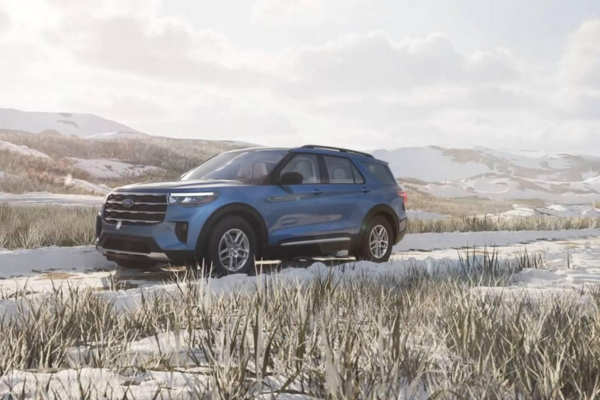
This is one of the biggest questions Wisconsin drivers have when comparing AWD and 4WD.
Both systems can help improve traction when accelerating on slippery surfaces because power can be delivered to more than two wheels. However, the type of winter driving you regularly encounter matters.
AWD May Be Better for Everyday Winter Driving
For normal winter commuting on paved roads, AWD may provide the balance many Wisconsin drivers are looking for.
The system can automatically respond when traction changes, making it useful when roads transition between dry pavement, wet pavement, slush and snow during a normal commute.
4WD May Be Better for More Difficult Conditions
If your driving regularly involves deeper snow, rural roads, unplowed areas or more demanding terrain, the additional capability available from a 4WD vehicle may be useful.
A truck or off-road-oriented SUV with 4WD may also make more sense for drivers whose needs extend beyond normal winter commuting.
Does AWD or 4WD Help You Stop Faster in Snow?
No. This is an important distinction when considering either drivetrain for Wisconsin winters.
AWD and 4WD can help a vehicle gain traction when accelerating, but neither system eliminates the challenges of braking on snow or ice.
Your tires remain one of the most important factors connecting your vehicle to the road. Tire condition, tread depth, road conditions, vehicle speed and driver behavior all affect how well a vehicle can stop and turn.
Drivers should still reduce their speed, increase following distance and avoid sudden braking or steering when roads become slippery.
Winter tires can also provide additional traction in snow and ice compared with tires designed primarily for warmer or more general driving conditions.
Is AWD or 4WD Better for Everyday Driving?
For many drivers, AWD is the more convenient choice for everyday use.
Because AWD generally operates automatically, it can provide additional traction when necessary without requiring the driver to manually select a different drivetrain setting. That can make it well suited to commuting, highway driving, errands and changing Wisconsin weather.
Four-wheel drive may make more sense when capability is a higher priority.
If you tow, drive on job sites, regularly encounter unpaved roads, travel through deeper snow or enjoy off-road driving, the additional capability of a 4WD truck or SUV may be worth considering.
The goal isn't necessarily choosing the drivetrain with the most capability. It's choosing the drivetrain that matches how you actually use your vehicle.
Which Ford Vehicles Offer AWD or 4WD?
Ford offers AWD and 4WD systems across different types of vehicles, giving shoppers several options depending on their needs.
Ford Vehicles With AWD
AWD is available on select Ford vehicles and configurations and can be a good option for drivers looking for additional traction during everyday driving.
Depending on model and configuration, shoppers may find AWD options on vehicles such as the Ford Maverick and other Ford models.
AWD availability can vary by model year, trim and powertrain, so shoppers should review the specifications of the individual vehicle they're considering.
Ford Vehicles With 4WD
Four-wheel drive is commonly available on Ford trucks and capability-focused SUVs.
The Ford Bronco, for example, comes equipped with 4WD, while Ford trucks such as the F-150 offer four-wheel-drive configurations for drivers who need additional traction and capability.
Some Ford models also use more advanced drivetrain systems or terminology depending on the specific model and configuration.
You can browse our current Ford inventory to compare available drivetrain options.
AWD vs. 4WD for Wisconsin Drivers: Which Should You Choose?
There's no single drivetrain that's right for every Wisconsin driver.
AWD may make sense if you:
- Primarily drive on paved roads.
- Commute regularly around Kenosha, Racine or Milwaukee.
- Want additional traction during rain and snow.
- Prefer a system that works automatically.
- Don't regularly drive off-road or through particularly demanding terrain.
4WD may make sense if you:
- Regularly encounter deeper snow or unplowed roads.
- Drive on rural roads, trails or job sites.
- Want additional off-road capability.
- Tow or use a truck or SUV for more demanding activities.
- Need a vehicle designed for challenging terrain.
Think about your normal week rather than the worst weather you might encounter once or twice a year. The drivetrain that best fits your everyday driving will usually be more useful than choosing based solely on maximum capability.
Do You Still Need Good Tires With AWD or 4WD?
Absolutely.
Your tires are the vehicle's contact point with the road, so tread condition, tire type and proper inflation can significantly affect traction, braking and handling.
Wisconsin drivers should regularly inspect their tires and make sure they're appropriate for the conditions in which they'll be driving. Drivers who frequently encounter snow and ice may also want to consider whether winter tires make sense for their needs.
If you're unsure about the condition of your tires before winter arrives, our Ford service department can help inspect your vehicle and tires.
Preparing for Winter Driving in Wisconsin
Regardless of whether your vehicle has AWD or 4WD, winter driving requires additional preparation.
Snow and ice can reduce traction and increase stopping distances for every vehicle. Slow down when conditions deteriorate, leave additional space between vehicles and avoid sudden steering or braking.
Before winter arrives, it's also a good idea to check your tires, battery, windshield wipers, lights and fluids and make sure your vehicle is ready for colder temperatures.
Drivers traveling throughout Wisconsin can also check current road conditions before leaving, particularly during winter storms.
If your vehicle needs maintenance before the season changes, you can schedule a service appointment with Boucher Ford Kenosha.
What Should You Consider When Choosing AWD or 4WD?
Before choosing between AWD and 4WD, ask yourself a few practical questions:
- Where do I drive most often?
- How much winter driving do I typically do?
- Are the roads I use regularly plowed?
- Do I travel on rural or unpaved roads?
- Do I plan to drive off-road?
- Do I tow or haul regularly?
- Do I want the drivetrain to operate automatically?
- What type of vehicle best fits my passenger and cargo needs?
Answering those questions can help determine whether AWD or 4WD better fits your lifestyle.
When you're ready to compare your options, you can explore new Ford vehicles and see which drivetrain configurations are currently available.
Find an AWD or 4WD Ford That Fits the Way You Drive
Whether you're looking for added confidence during Wisconsin winters, everyday AWD traction or the capability of a 4WD truck or SUV, Boucher Ford Kenosha can help you compare your options.
Frequently Asked Questions About AWD vs. 4WD
What is the difference between AWD and 4WD?
Both systems can deliver power to all four wheels, but AWD is generally designed to automatically adjust power distribution based on driving conditions. Four-wheel drive is commonly designed for greater capability in demanding conditions and may provide different selectable settings depending on the vehicle.
Is AWD or 4WD better in snow?
Both can provide additional traction in snow. AWD can be particularly convenient for everyday winter driving on paved roads because it generally operates automatically. 4WD may be more useful for deeper snow, unplowed roads and more demanding terrain.
Is AWD good for Wisconsin winters?
AWD can be a useful option for Wisconsin drivers because it can provide additional traction when roads become wet, snowy or slippery. Drivers should still slow down, maintain additional following distance and use tires appropriate for winter conditions.
Does 4WD help on ice?
Four-wheel drive can help provide traction when accelerating, but it doesn't eliminate the reduced grip associated with ice. Braking and turning still depend heavily on tire traction, road conditions and vehicle speed.
Does AWD help you stop faster?
AWD is primarily designed to help manage traction and power delivery. It does not eliminate the additional braking distance required on slippery roads. Tires, speed and road conditions remain critical when stopping.
Do I need winter tires if I have AWD?
AWD doesn't replace proper tires. Winter tires are specifically designed to provide improved traction in cold, snowy and icy conditions and may benefit drivers who regularly encounter severe winter weather.
Is AWD always on?
Many AWD systems operate automatically and continuously monitor driving conditions, adjusting power distribution when necessary. How an individual system operates depends on the vehicle.
Is 4WD only for off-roading?
No. Four-wheel drive can also be useful for snow, unpaved roads, work sites and other situations where additional traction or capability is helpful. However, its design makes it particularly well suited to trucks and off-road-oriented SUVs.
Is AWD or 4WD better for highway driving?
AWD is often a practical choice for drivers who primarily travel on paved roads and highways because the system can automatically respond to changing traction conditions. The best drivetrain still depends on the vehicle and how it will be used.
What Ford vehicles have AWD or 4WD?
Ford offers AWD and 4WD across multiple vehicles and configurations, including trucks, SUVs and the Maverick. Availability varies by model, trim, powertrain and model year, so shoppers should check the specifications of the individual vehicle they're considering.
Where can I shop for AWD and 4WD vehicles in Kenosha, WI?
Drivers can compare available AWD and 4WD Ford vehicles at Boucher Ford Kenosha. Our team can help you compare drivetrain options based on your commute, winter driving, towing needs and other everyday driving requirements.