TRAC Lease for Commercial Vehicles
What Is a TRAC Lease for Commercial Vehicles?
For businesses across Kenosha and Southeast Wisconsin, choosing how to finance a work truck, van, or fleet vehicle can be just as important as choosing the vehicle itself. A Terminal Rental Adjustment Clause, or TRAC, lease provides a flexible commercial leasing option designed around the way businesses use their vehicles.
Ford Pro™ FinSimple™ offers CommerciaLease, an open-ended TRAC lease program that allows businesses to structure lease terms and residual values around their operating needs. This can make TRAC leasing especially useful for businesses with high-mileage vehicles, heavy-use work trucks, specialized upfits, or changing fleet requirements.
How Does a TRAC Lease Work?
Unlike a traditional closed-end vehicle lease, a TRAC lease is an open-ended commercial lease. The business and leasing provider establish a residual value for the vehicle based on factors such as expected use, vehicle lifecycle, and business requirements.
That residual value plays an important role in determining the lease structure and monthly payment. At the end of the lease, the business is responsible for the vehicle's residual value, which means the vehicle's actual value at lease-end can affect the final financial outcome.
Ford Pro FinSimple CommerciaLease offers flexible terms ranging from 12 to 72 months and is designed to accommodate many commercial applications, including vehicles that experience high mileage or heavy use.
Benefits of TRAC Leasing for Businesses
No Mileage Restrictions or Penalties
Work vehicles do not always follow predictable mileage schedules. Contractors, delivery businesses, service companies, and other commercial operations may put significantly more miles on their vehicles than a typical driver.
Ford Pro FinSimple CommerciaLease does not have mileage restrictions or mileage penalties, making it an option worth considering for businesses that depend heavily on their vehicles.
Flexible Terms Based on Your Business
TRAC leases can be structured around the expected lifecycle and use of a commercial vehicle. Ford Pro FinSimple offers CommerciaLease terms ranging from 12 to 72 months, allowing businesses to consider a lease structure that better aligns with their replacement cycles and operational needs.
Specialized Upfits Can Be Included
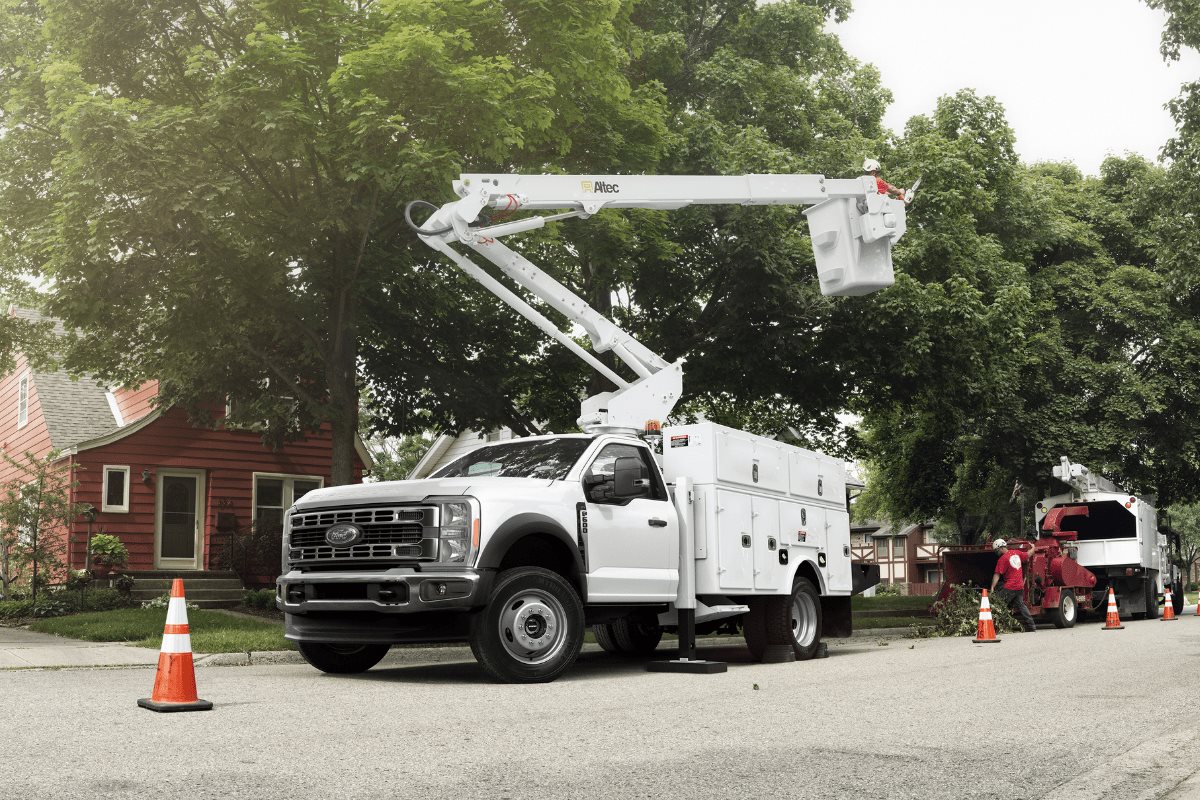
Many businesses need more than a standard truck or van. Service bodies, shelving systems, racks, liftgates, dump bodies, and other specialized equipment may be essential to getting the job done.
With CommerciaLease, qualifying specialized equipment and upfits can be residualized as part of the lease structure. This can make TRAC leasing particularly useful for businesses purchasing work-ready or custom-upfitted commercial vehicles.
Designed for High-Mileage and Heavy-Use Vehicles
Traditional leases may not always be a practical fit for vehicles that accumulate significant mileage or experience demanding work conditions. TRAC leasing is designed to accommodate high-mileage and heavy-use commercial vehicles without traditional mileage restrictions or excess wear-and-use charges.
That flexibility can be valuable for contractors, construction companies, delivery operations, field service businesses, and other companies whose vehicles are working every day.
What Commercial Vehicles Are Eligible for a TRAC Lease?
Ford Pro FinSimple CommerciaLease can accommodate a wide variety of new and used commercial vehicles, including vehicles with modifications or specialized upfits.
Depending on eligibility and business requirements, this may include:
- Ford F-150® work trucks
- Ford Super Duty® trucks
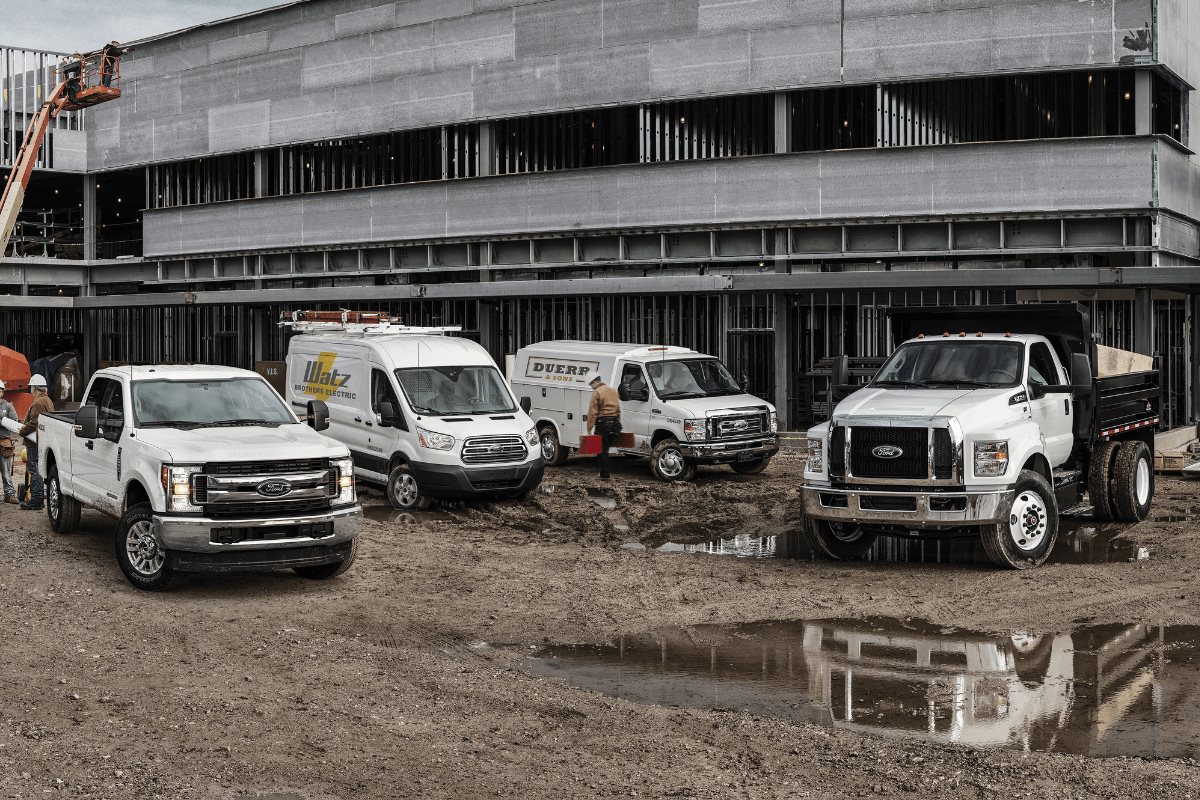
- Ford Transit® cargo vans
- Chassis cab and cutaway vehicles
- Upfitted service and utility trucks
- Other qualifying commercial and fleet vehicles
This flexibility allows businesses to consider TRAC leasing whether they need a single work vehicle or are planning for a larger fleet.
TRAC Lease vs. Traditional Commercial Financing
Choosing between a TRAC lease and traditional financing depends on how your business plans to use and manage its vehicles.
Traditional commercial installment financing may make sense for a business that plans to keep a vehicle for many years and wants to own it after the loan is paid. A TRAC lease may be worth considering when a business prioritizes flexible terms, high-mileage use, specialized upfits, or a defined vehicle replacement cycle.
There is no single financing structure that works for every business. Vehicle usage, cash flow, replacement schedules, mileage, upfit requirements, and long-term ownership goals should all be considered when comparing commercial financing options.
What Happens at the End of a TRAC Lease?
Because Commercial Lease is an open-ended lease, the business is responsible for the residual value established in the lease agreement.
At lease-end, businesses may have several options depending on their agreement and circumstances, including purchasing the vehicle for the residual value, trading it toward another vehicle, selling the vehicle to a third party, or having Ford Pro FinSimple sell the vehicle.
If Ford Pro FinSimple sells the vehicle, the business is responsible for any shortfall between the sale proceeds and the amount owed, along with applicable disposal costs. Understanding this residual responsibility is an important part of determining whether a TRAC lease fits your business.
Is a TRAC Lease Right for Your Business?
A TRAC lease may be worth considering if your company:
- Operates high-mileage or heavy-use commercial vehicles
- Regularly replaces trucks or vans
- Requires specialized vehicle upfits
- Wants flexible lease terms
- Needs vehicles for demanding day-to-day business operations
- Manages a growing or changing commercial fleet
For other businesses, purchasing and traditional commercial financing may still be the better long-term solution. The right option depends on how your business uses its vehicles, how long you intend to keep them, and your overall fleet strategy.
At Boucher Ford Kenosha, our Commercial & Fleet team can help businesses compare TRAC leasing, traditional financing, Commercial Lines of Credit, and other Ford Pro financing solutions based on their individual vehicle and operational needs.
Explore TRAC Leasing in Kenosha, WI
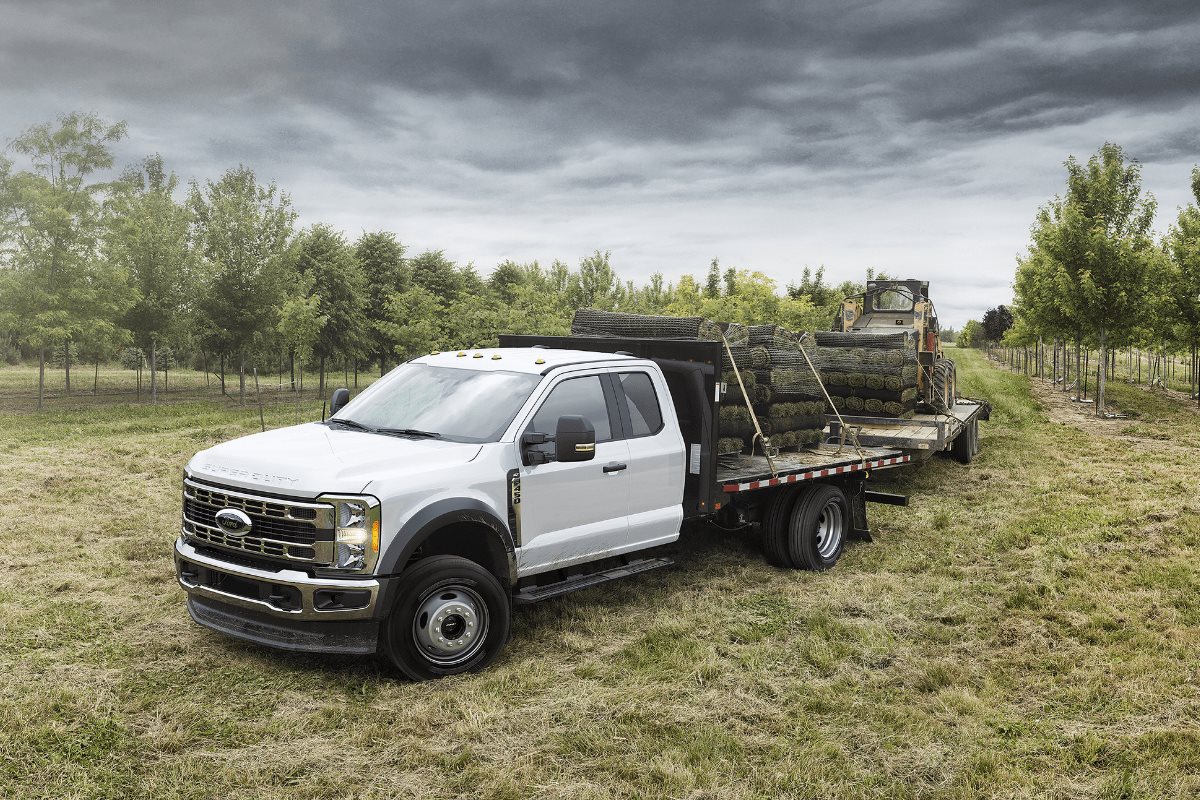
Whether you need a Ford Super Duty, Transit van, F-150, chassis cab, or specialized upfitted vehicle, Boucher Ford Kenosha can help you explore commercial vehicle and financing options designed around your business.
Commercial & Fleet team works with businesses throughout Kenosha, Racine, Pleasant Prairie, Southeast Wisconsin, and Northern Illinois to help identify vehicles and financing structures that support their day-to-day operations and long-term fleet plans.
Find the Right Commercial Leasing Solution for Your Business
Need a work truck, van, or upfitted commercial vehicle? Talk with the Boucher Ford Kenosha Commercial & Fleet team about TRAC leasing, commercial financing, and Ford Pro solutions designed around your business needs.
Frequently Asked Questions About TRAC Leasing
What does TRAC mean in commercial leasing?
TRAC stands for Terminal Rental Adjustment Clause. It is used with certain open-ended commercial vehicle leases and establishes how the vehicle's residual value is handled at the end of the lease.
What is Ford CommerciaLease?
Ford Pro FinSimple CommerciaLease is an open-ended TRAC lease program for qualifying commercial and fleet customers. It offers flexible terms and residual structures based on business requirements.
Does a TRAC lease have mileage limits?
Ford Pro FinSimple CommerciaLease does not have mileage restrictions or mileage penalties, making it an option for qualifying businesses operating high-mileage commercial vehicles.
Can upfitted commercial vehicles be leased with a TRAC lease?
Yes. Qualifying specialized equipment and vehicle upfits can be residualized through Ford Pro FinSimple CommerciaLease, making the program suitable for many work-ready commercial vehicles.
What happens to the vehicle at the end of a TRAC lease?
Depending on the agreement, businesses may have options such as purchasing the vehicle for its residual value, trading it, selling it to a third party, or having Ford Pro FinSimple sell the vehicle. The lessee remains responsible for the established residual value.
Is a TRAC lease better than financing a commercial vehicle?
It depends on the business. TRAC leasing may be attractive for high-mileage or heavy-use vehicles, businesses with regular replacement cycles, and vehicles requiring specialized upfits. Traditional financing may make more sense for businesses that plan to keep their vehicles long term and ultimately own them.
Can small businesses use TRAC leasing?
Qualifying commercial entities, including sole proprietors, corporations, and LLCs, may be eligible for CommerciaLease. Eligibility and lease terms are subject to approval.
Where can I learn more about TRAC leasing in Kenosha, WI?
The Commercial & Fleet team at Boucher Ford Kenosha can help businesses in Kenosha and the surrounding Southeast Wisconsin area review TRAC leasing, traditional financing, and other commercial vehicle financing options to determine which structure may best fit their needs.