Electric Vehicle Buying Guide
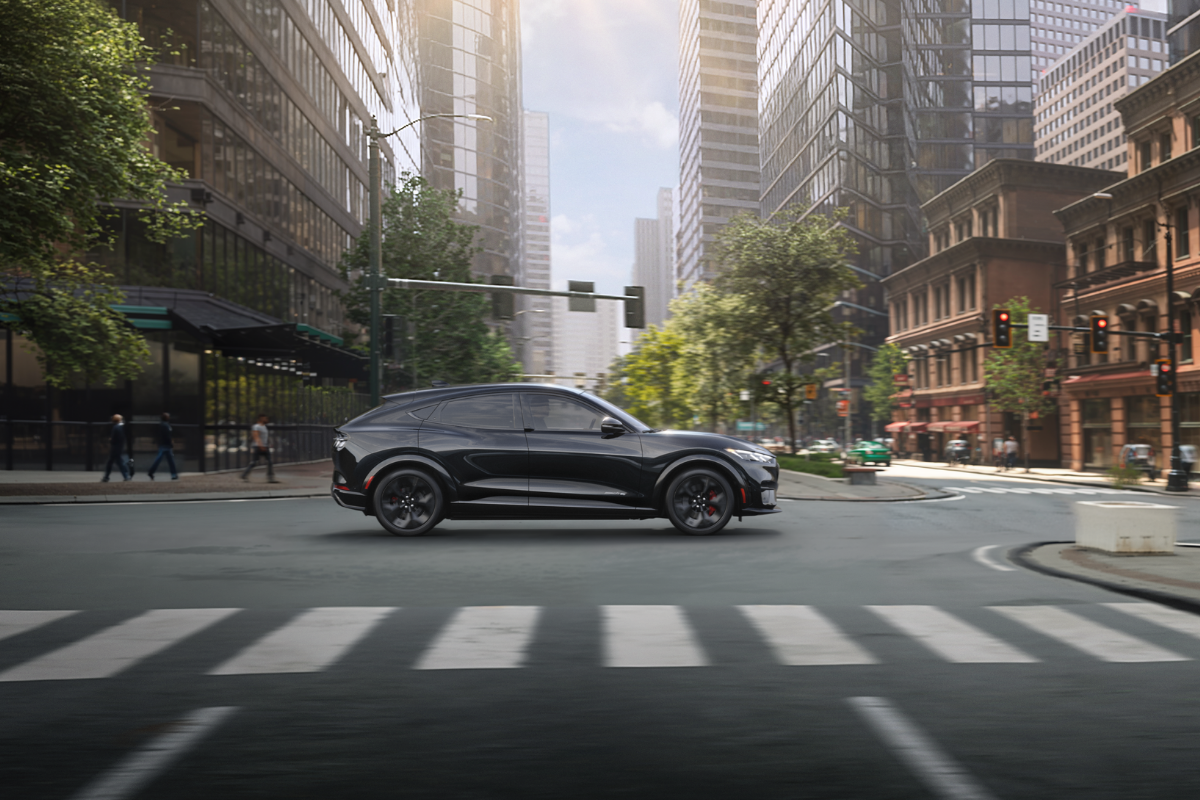
Electric Vehicle Buying Guide: What Wisconsin Drivers Should Know Before Buying an EV
Electric vehicles are becoming an option for more drivers, but deciding whether an EV fits your lifestyle involves more than comparing battery range. Where you drive, how many miles you travel, where you can charge, Wisconsin weather, and your long-term ownership needs can all play a role.
For drivers in Kenosha and throughout Southeast Wisconsin, understanding how an electric vehicle fits into everyday life can make the decision easier. Whether you're starting to research EVs or comparing electric, hybrid, and gasoline vehicles, here are some of the most important things to know before making your decision.
Is an Electric Vehicle Right for You?
An electric vehicle can be a practical choice for drivers whose daily routines work well with charging. If most of your driving consists of commuting to work, running errands around Kenosha or Racine, and returning home each evening, EV ownership may fit more naturally into your routine than you expect.
Start by considering how many miles you typically drive each day, where your vehicle is parked overnight, whether you can charge at home or work, and how often you take longer trips.
Your vehicle needs matter, too. Passenger space, cargo capacity, towing needs, budget, and how you use your vehicle should all be considered alongside the type of powertrain.
There isn't one powertrain that's right for every driver. The goal is finding the vehicle that works best for the way you actually drive.
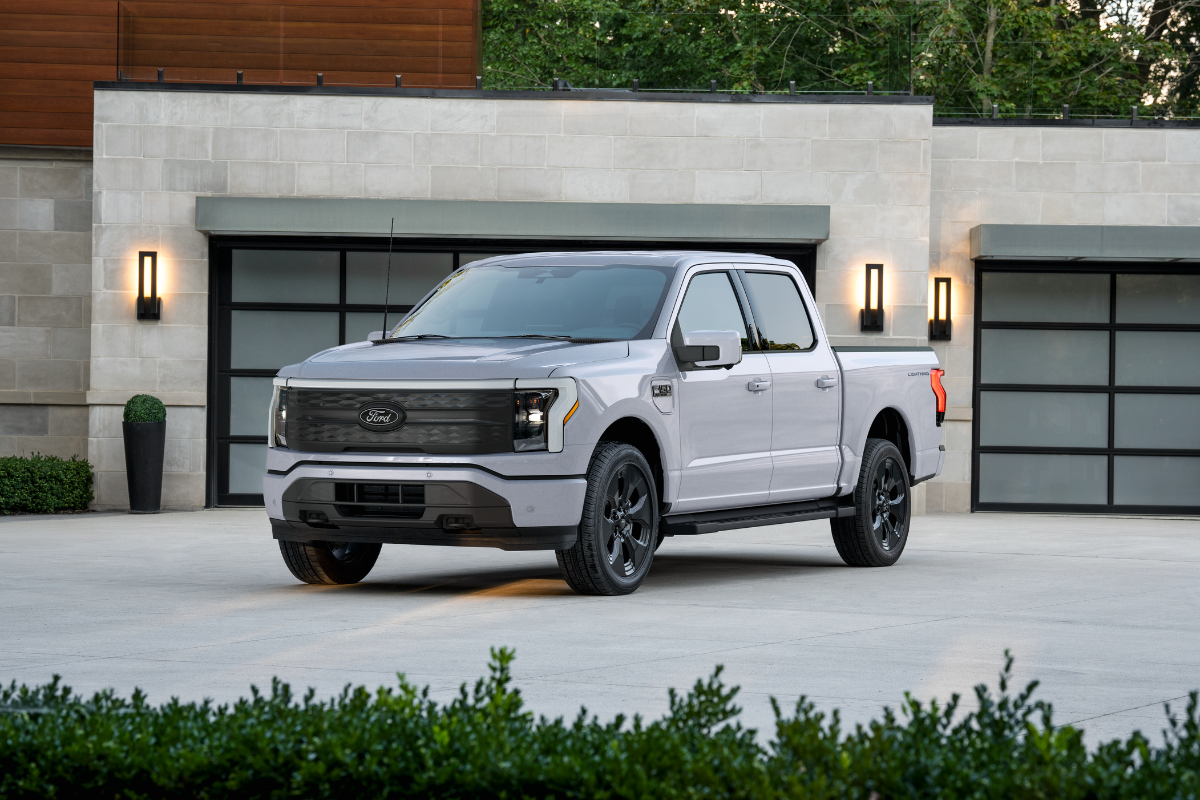
How Does EV Charging at Home Work?
For many EV owners, charging at home becomes part of the normal routine. Instead of making a separate trip to a gas station, you can plug in your vehicle when you get home and charge while it is parked.
Electric vehicles can generally use different levels of charging. A standard 120-volt household outlet provides slower charging, while a properly installed 240-volt Level 2 charger can provide significantly faster home charging.
The right setup depends on the vehicle, your daily mileage, your home's electrical system, and how quickly you need to recharge. Drivers who live in apartments, condominiums, or homes without dedicated parking should consider their charging options before purchasing an EV.
Learning about EV charging and ownership ahead of time can help you determine whether home charging will work with your everyday routine.
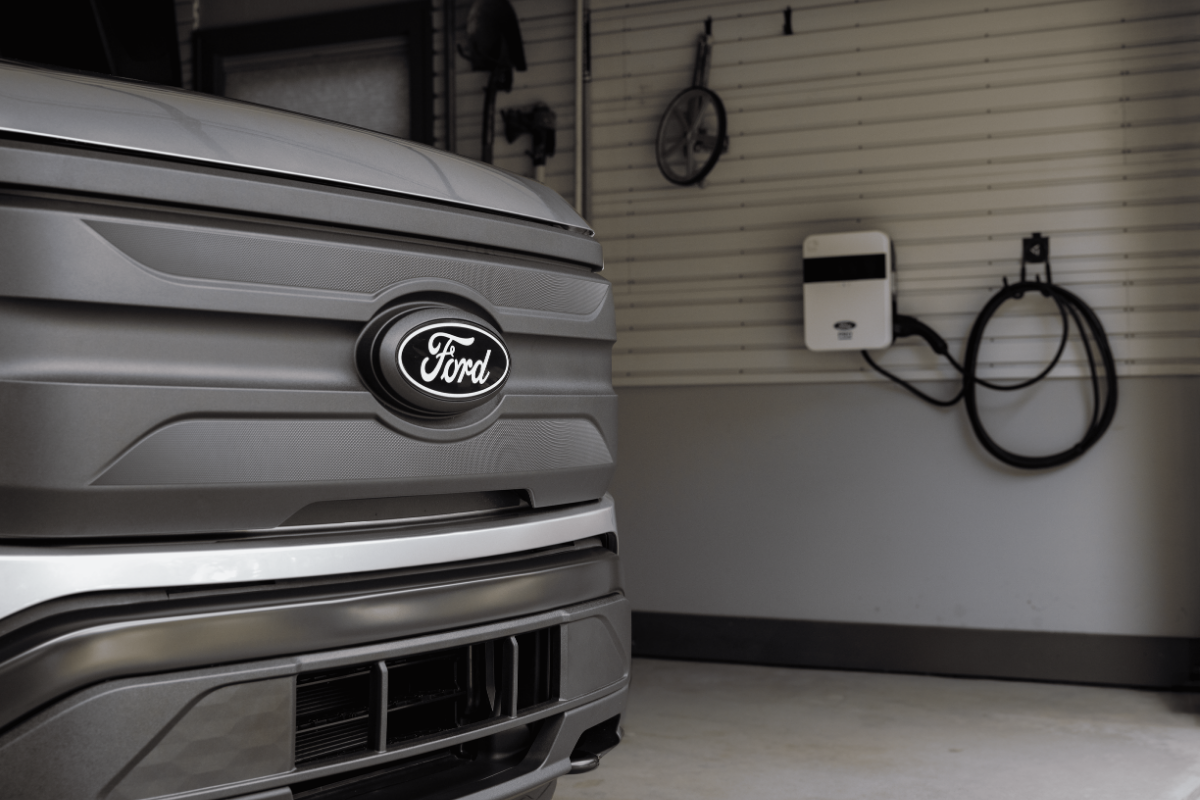
What About Public EV Charging?
Home charging can handle much of the everyday driving for some EV owners, while public charging becomes more important during longer trips or when home charging isn't available.
Public charging stations can be found at shopping areas, workplaces, hotels, parking facilities, travel corridors, and other destinations. Charging speeds vary, with DC fast chargers designed to provide substantially faster charging than typical home equipment.
Before taking a longer trip, drivers can check available charging stations along their route and plan stops based on their vehicle's range and charging capability.
For Kenosha drivers traveling toward Milwaukee, Chicago, Madison, or beyond, understanding public EV charging can make longer-distance electric driving easier to plan.
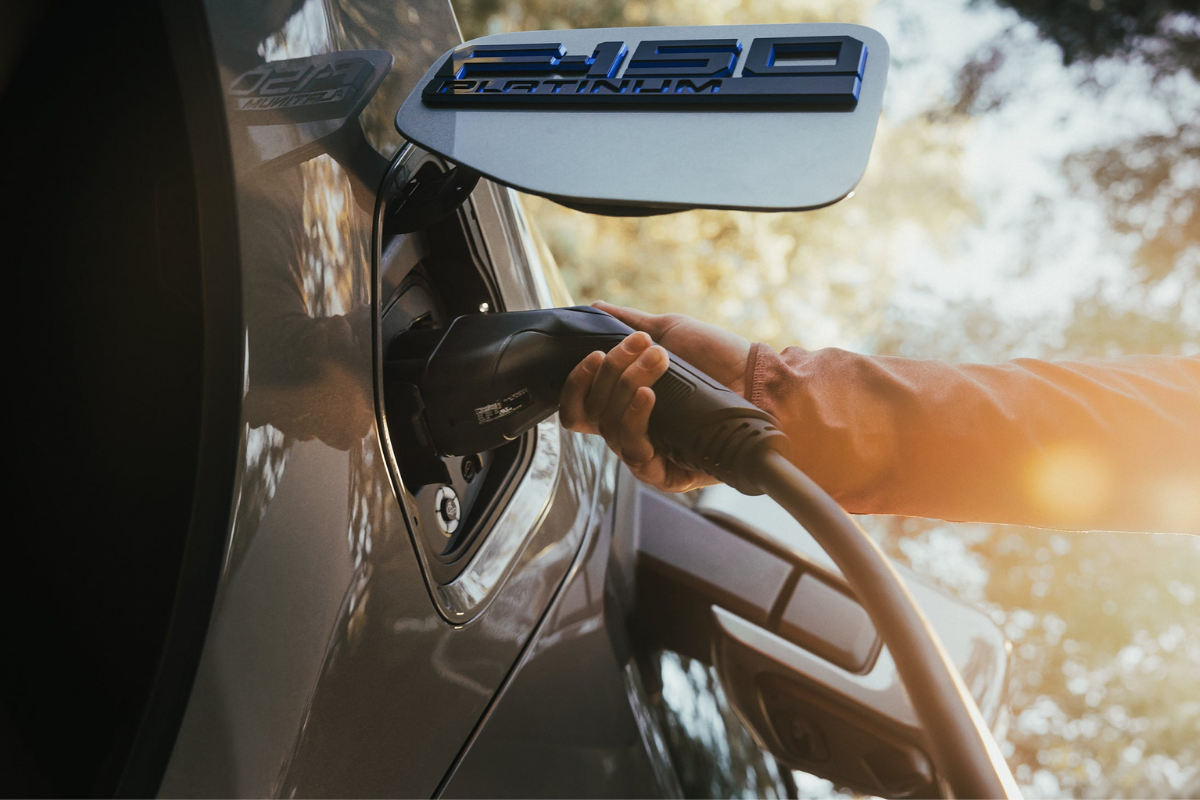
How Much EV Range Do You Really Need?
Range is one of the first specifications shoppers notice when researching electric vehicles, but the highest available range isn't necessarily required for every driver.
Instead, consider how far you actually drive on a typical day.
A driver commuting between Kenosha and Racine may have very different range needs than someone regularly traveling between Southeast Wisconsin and another state. If your vehicle spends most nights parked at home with access to charging, your daily range needs may be considerably different from someone who relies primarily on public chargers.
Range can also change based on temperature, driving speed, climate control use, terrain, payload, and other conditions. Because of these variables, advertised range should be treated as one part of the overall EV buying decision rather than the only factor.
When comparing vehicles, look at your typical daily mileage as well as your occasional longer trips.
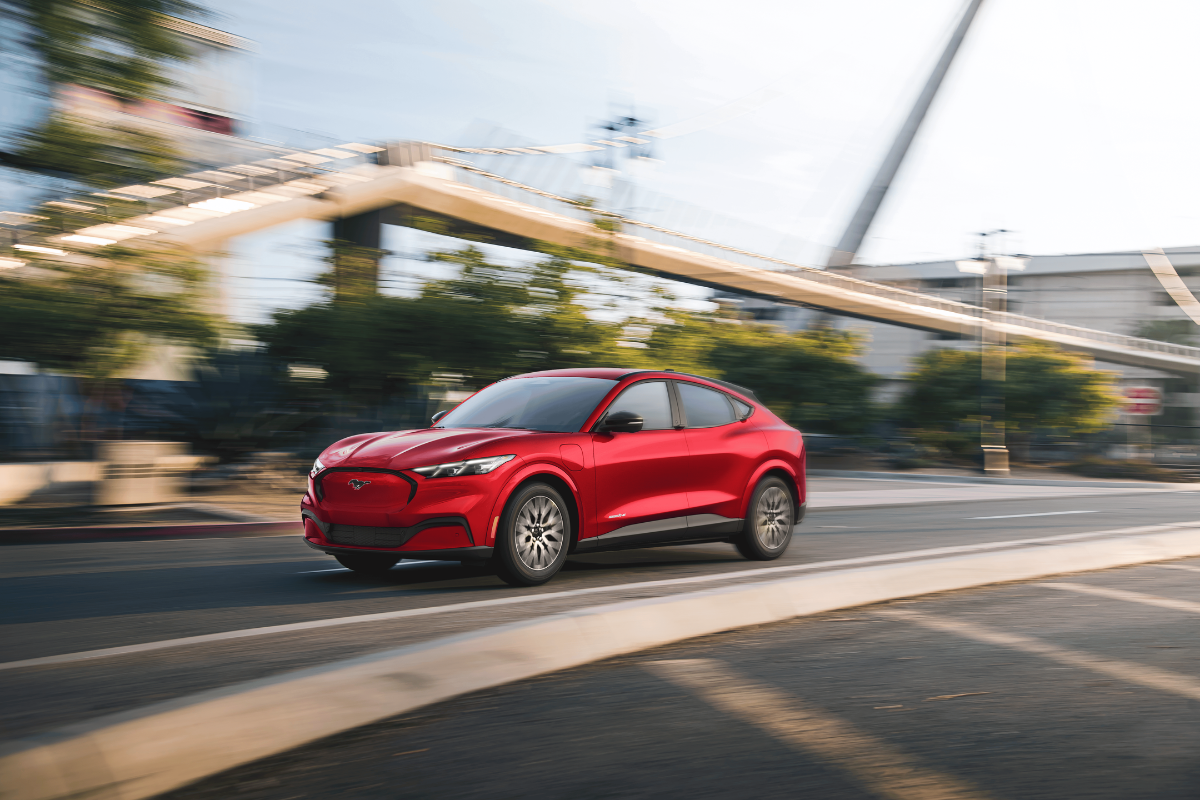
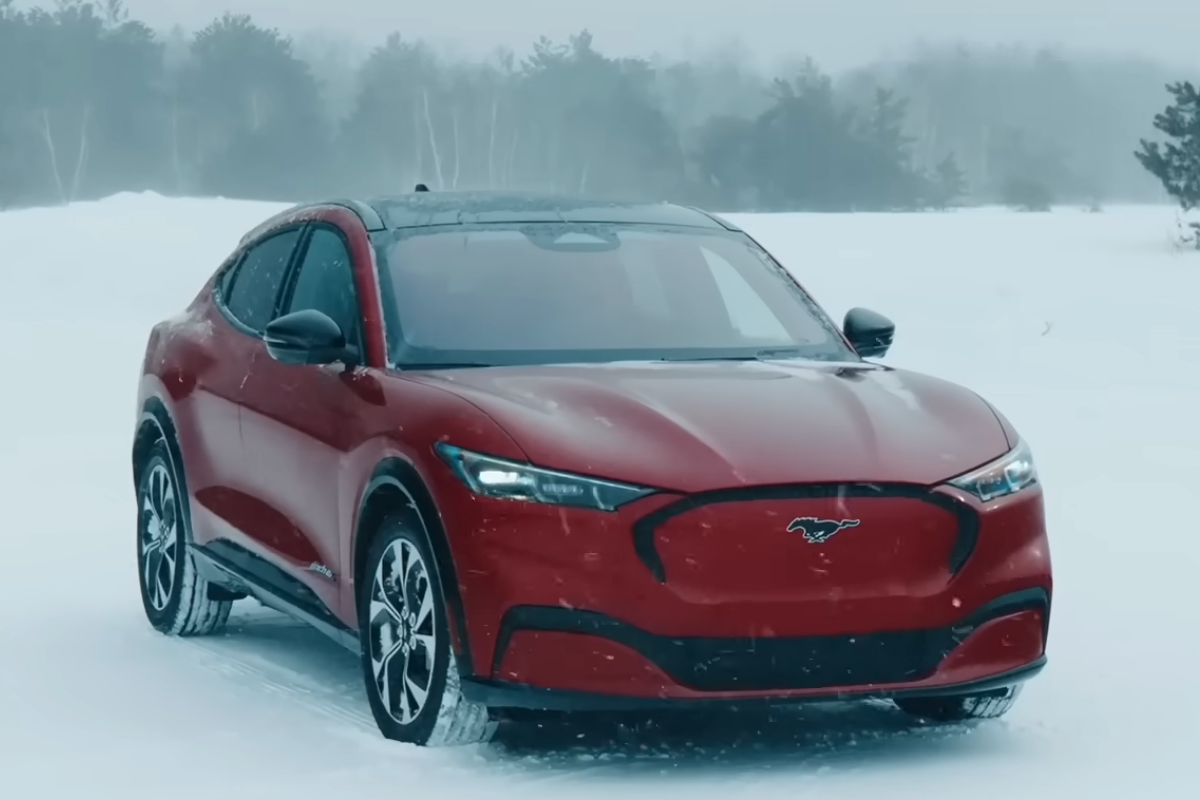
Can You Drive an Electric Vehicle During a Wisconsin Winter?
Yes. Electric vehicles can be driven year-round in Wisconsin, but cold temperatures can affect battery performance, driving range, and charging.
Heating the cabin also requires energy, which can contribute to reduced available range during colder weather. The amount of change depends on the vehicle, temperature, driving conditions, climate settings, and other factors.
Planning ahead can help during Wisconsin winters. Preconditioning the cabin while the vehicle is connected to a charger, keeping the vehicle adequately charged, and planning charging stops before longer winter trips can all make cold-weather EV ownership easier.
Traction is another consideration. As with gasoline and hybrid vehicles, tires, drivetrain, road conditions, and driver behavior all affect winter performance. Shoppers concerned about winter traction may also want to compare vehicles with all-wheel drive.
What Maintenance Does an Electric Vehicle Need?
Fully electric vehicles eliminate several routine maintenance items associated with gasoline engines. Because there is no traditional internal-combustion engine, an EV doesn't require engine oil changes, spark plug replacements, or engine oil filters.
However, an electric vehicle is not maintenance-free.
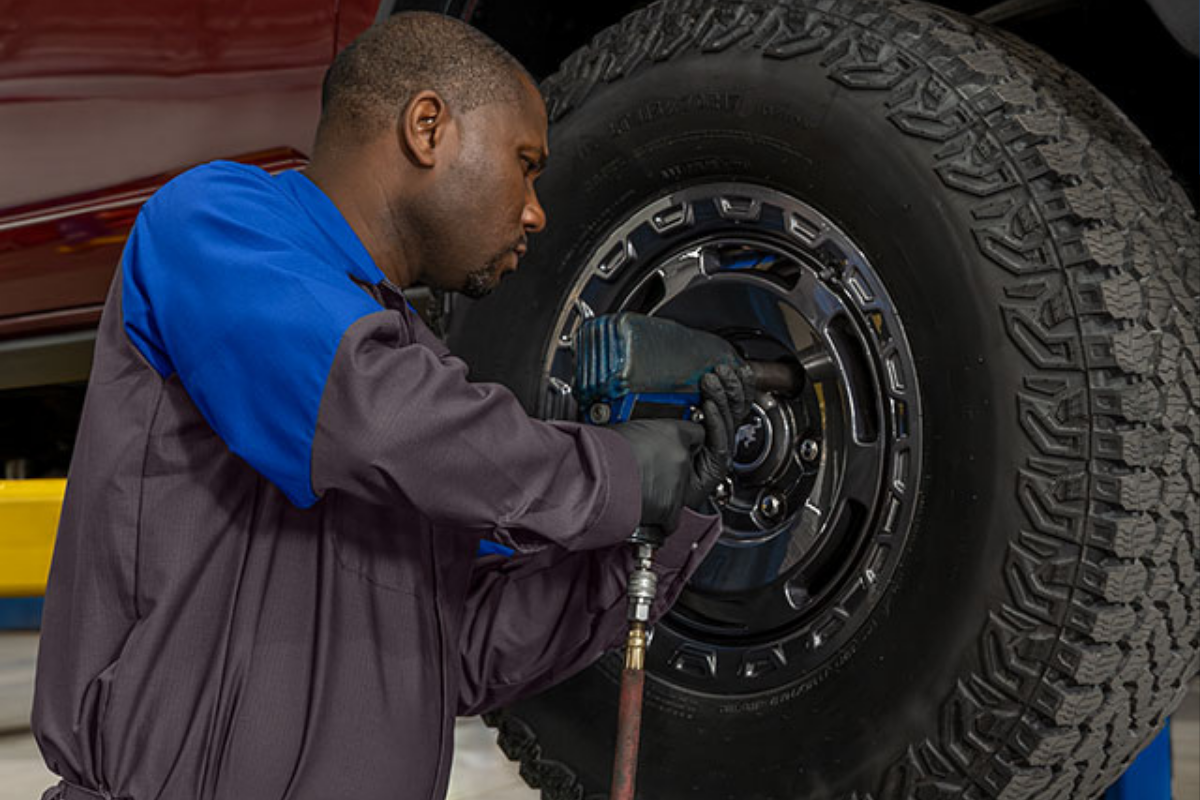
EVs still require attention to tires, brakes, suspension components, cabin air filters, windshield wipers, fluids, and other wear items. Regular vehicle inspections are also important.
Following the manufacturer's recommended maintenance schedule can help keep an EV performing properly throughout ownership. When service is needed, working with technicians who understand electric vehicle maintenance and the manufacturer's systems is important.
What Does It Cost to Own an Electric Vehicle in Wisconsin?
The purchase price is only one part of EV ownership. Electricity, home charging equipment, public charging, insurance, maintenance, registration fees, and long-term ownership should all be considered.
Wisconsin also applies an additional annual registration surcharge to qualifying electric vehicles in addition to the standard vehicle registration fee.
Charging costs can vary depending on where and when you charge. Home charging is generally billed through your household electricity usage, while public charging networks may use different pricing structures.
Because every driver's situation is different, comparing the total cost of ownership can be more useful than looking at purchase price alone. Shoppers can also explore vehicle financing options when comparing an EV with other vehicles.
EV vs. Hybrid vs. Gas: Which One Is Right for You?
An EV isn't automatically the best choice for every shopper. Your driving habits and access to charging should help determine which powertrain makes the most sense.
An Electric Vehicle May Make Sense If:
- You have convenient charging access
- Your daily mileage is relatively predictable
- You want to complete your everyday driving without using gasoline
A Hybrid May Make Sense If:
- You want improved fuel efficiency
- You prefer the familiarity of filling up at a gas station
- You don't want to rely on external charging
A Gasoline Vehicle May Make Sense If:
- You regularly travel long distances
- You have specific towing or capability requirements
- You don't have convenient access to EV charging
Instead of choosing solely based on the powertrain, consider your passenger and cargo needs, budget, driving habits, capability requirements, and where you expect to use the vehicle.
You can compare new Ford vehicles across different powertrains to get a better idea of which type fits your needs.
Electric Driving Around Kenosha and Southeast Wisconsin
Where you live and drive can make a big difference when deciding whether an EV is practical.
Kenosha's location between Milwaukee and Chicago means many local drivers regularly travel throughout Southeast Wisconsin and northern Illinois. Your commute, weekend travel, overnight parking, and access to charging should all factor into your decision.
Consider a normal week rather than focusing only on occasional long trips. How far do you commute? Where is your vehicle parked overnight? How often do you drive to Racine, Milwaukee, Chicago, or farther? Where could you charge along those routes if necessary?
Looking at your actual driving habits can provide a much clearer picture of whether electric vehicle ownership makes sense for you.
As electric vehicle technology continues to evolve and new models become available, understanding the basics of EV ownership now can also make it easier to evaluate future options. You can also explore new Ford vehicles to compare the different powertrains and models available today.
What Should You Consider Before Buying an EV?
Before deciding on an electric vehicle, ask yourself a few practical questions:
- How many miles do I drive on a typical day?
- Can I reliably charge at home?
- Where are the public chargers along the routes I regularly drive?
- How often do I take long-distance trips?
- How will Wisconsin winter temperatures affect my driving?
- What passenger, cargo, towing, or capability needs do I have?
- How does the total ownership cost compare with a hybrid or gasoline vehicle?
Answering those questions can help narrow your choices before you start comparing specific models.
If you're still unsure, exploring EV ownership information and comparing available Ford vehicles can help you determine which powertrain best fits your lifestyle.
Ready to Explore Your Options?
Whether you're considering an EV, hybrid, or gasoline vehicle, Boucher Ford Kenosha can help you compare your options and find a vehicle that fits the way you drive.
Frequently Asked Questions About Buying an Electric Vehicle
Is an electric vehicle worth it in Wisconsin?
An EV can be a practical option for Wisconsin drivers who have convenient charging access and driving habits that fit the vehicle's available range. Shoppers should consider daily mileage, winter temperatures, charging access, longer trips, and ownership costs before deciding.
Can electric vehicles handle Wisconsin winters?
Yes. EVs can be driven throughout Wisconsin winters, although cold temperatures can reduce available range and affect charging performance. Preconditioning, keeping the vehicle adequately charged, and planning ahead for longer winter trips can help.
How much range do I need in an electric vehicle?
The amount of range you need depends on how far you typically drive, how often you can charge, and how frequently you take longer trips. Instead of automatically choosing the EV with the highest range, compare available range with your normal driving habits.
Can I charge an electric vehicle at home?
Yes. Many EV owners charge at home using either a standard household electrical outlet or a faster 240-volt Level 2 charging setup. Charging speed depends on the vehicle, equipment, electrical supply, and other factors.
What if I can't charge an EV at home?
Drivers without home charging may be able to use workplace or public charging, but relying primarily on public chargers requires more planning. Before purchasing an EV, consider the location, availability, charging speed, and cost of chargers you would regularly use.
How long does an electric vehicle take to charge?
Charging time varies considerably based on the vehicle, battery level, battery temperature, charging equipment, and available power. Level 1 home charging is generally the slowest, Level 2 provides faster home or public charging, and compatible DC fast charging is designed for quicker charging during longer trips.
Do electric vehicles need oil changes?
No. Fully electric vehicles don't have a traditional gasoline engine and therefore don't require engine oil changes. EVs still need maintenance including tires, brakes, filters, fluids, wipers, suspension components, and routine inspections.
Are EVs more expensive to register in Wisconsin?
Wisconsin charges an additional annual surcharge for qualifying electric vehicles in addition to normal registration fees. Drivers should check the Wisconsin Department of Transportation for the latest registration fees when calculating ownership costs.
Is an EV better than a hybrid?
Neither is automatically better. An EV may work well for drivers with convenient charging and predictable daily mileage, while a hybrid can provide improved fuel efficiency without requiring external charging. The better choice depends on your driving habits and needs.
Should I buy an EV if I take road trips?
An EV can be used for road trips, but longer-distance travel requires more planning around charging locations and charging time. Consider the vehicle's range, compatible charging network, and the routes you frequently travel before deciding.
Where can I learn more about electric vehicles in Kenosha, WI?
Drivers can explore EV ownership, charging, and available Ford electric vehicle information through Boucher Ford Kenosha. Our team can also help shoppers compare electric, hybrid, and gasoline options based on their individual driving needs.